
Illuminating essentials: a guide to thoughtful interior services
Electricity, lighting, windows, daylight and curtains: the services behind every well-designed room, and why they need planning before the finishes.
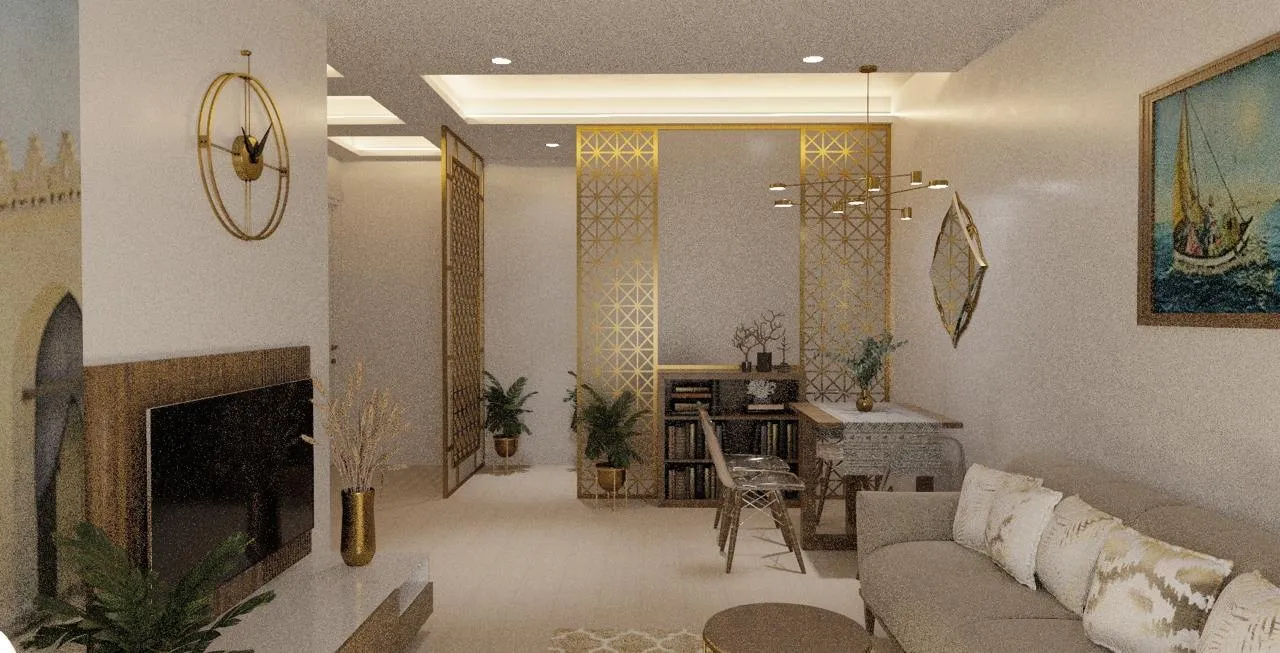
A well-designed interior goes beyond how it looks. Behind every comfortable room are the services that make it work: power, light, air and privacy. Whether it is a home, an office or a café, planning these early is what turns a good-looking space into a cohesive, comfortable one.
1. Electricity: powering the space
Electricity runs the lighting, appliances and devices a room depends on. Power arrives from the grid through substations to your building, and inside your home everything starts at the main distribution board, the central panel whose circuit breakers keep each circuit safe.
Planning points, switches and loads before walls are finished avoids the trailing cables and surface conduits that spoil a finished room.
2. Lighting: setting tone and function
Lighting shapes how a room feels as much as how well you can see in it. A good scheme layers three kinds:
- Task lighting for focus, at kitchen counters, desks and mirrors.
- Accent lighting to pick out art, niches and architectural features.
- Ambient lighting for overall illumination, comfort and safe movement.
3. Windows: light and ventilation
Windows let light and air move freely, which makes rooms feel larger and easier to breathe in. Good windows reduce dependence on artificial lighting, help keep interiors cooler, and improve both security and the look of the facade.
4. Natural light: energy and mood
Daylight is central to sustainable design. Used thoughtfully, it brings out the form of a space, makes it more inviting and cuts energy use. It is why we orient seating, work areas and reflective finishes around where the light falls.
5. Curtains and blinds: balancing light and privacy
Curtains and blinds manage light and privacy while adding texture. Pairing a main curtain with a sheer gives you control through the day, and the heading style, from pencil pleats to American pleats, changes the character of a room.
Sheer curtains spread daylight more evenly across a room, cutting glare without losing brightness.
In short
Sort out power, light, windows and curtains at the planning stage, not after the walls are painted. It costs less, looks neater and saves you a lot of patching later. If you’re planning a home or workspace and want a second opinion on any of this, give us a call.